The question owners ask after a shake
Every time the ground moves in Ventura County, we hear from owners in Camarillo asking what can be done so the chimney stays up next time. There are three broad answers, and they are not interchangeable. Which one fits depends on the condition of the brick more than anything else, and on how much of the stack stands free above the roof.
Dillard Chimney Pros offers all three, so we have no reason to push one over another. Here is how we think about them.
Why the top of the stack is the weak point
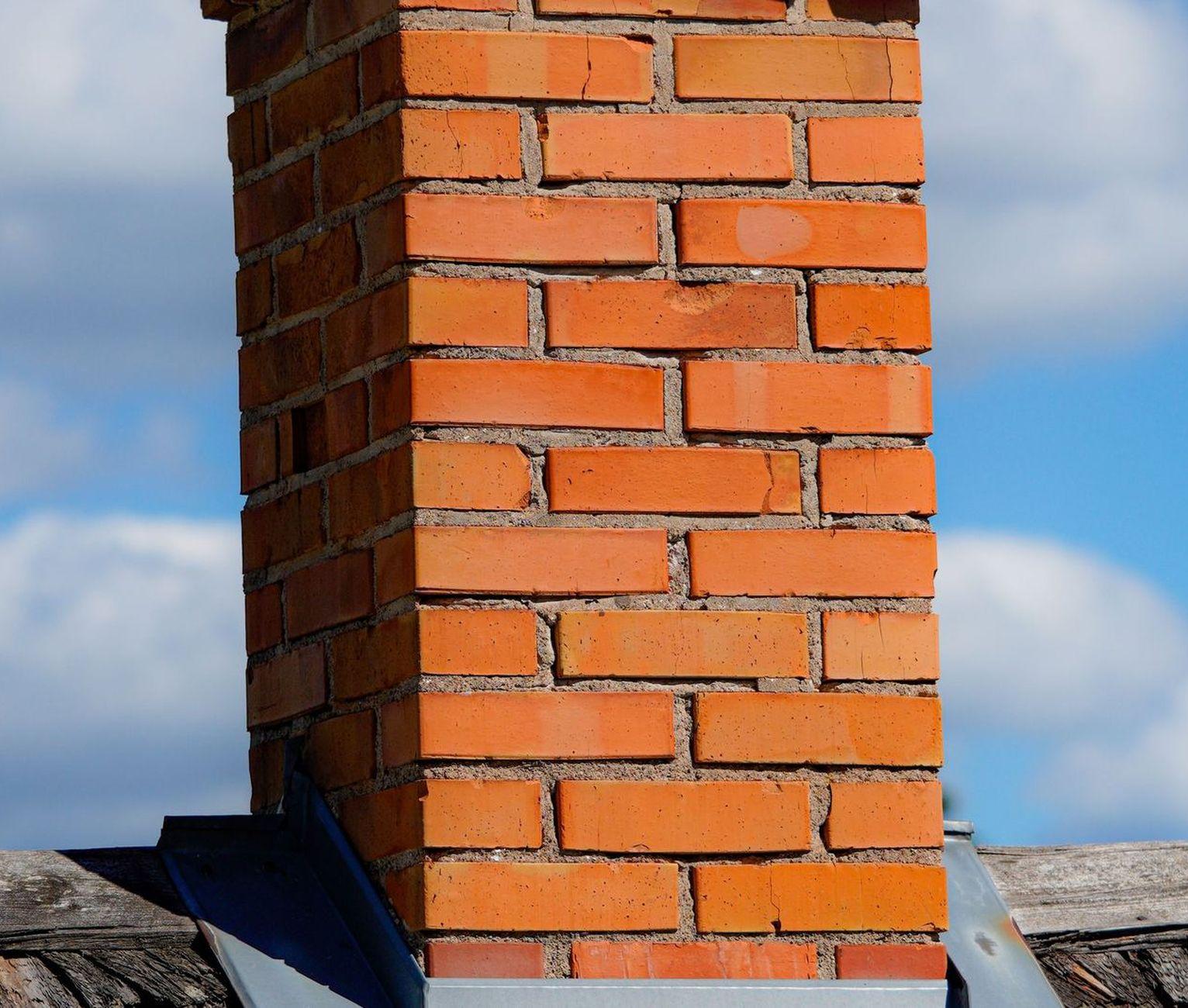
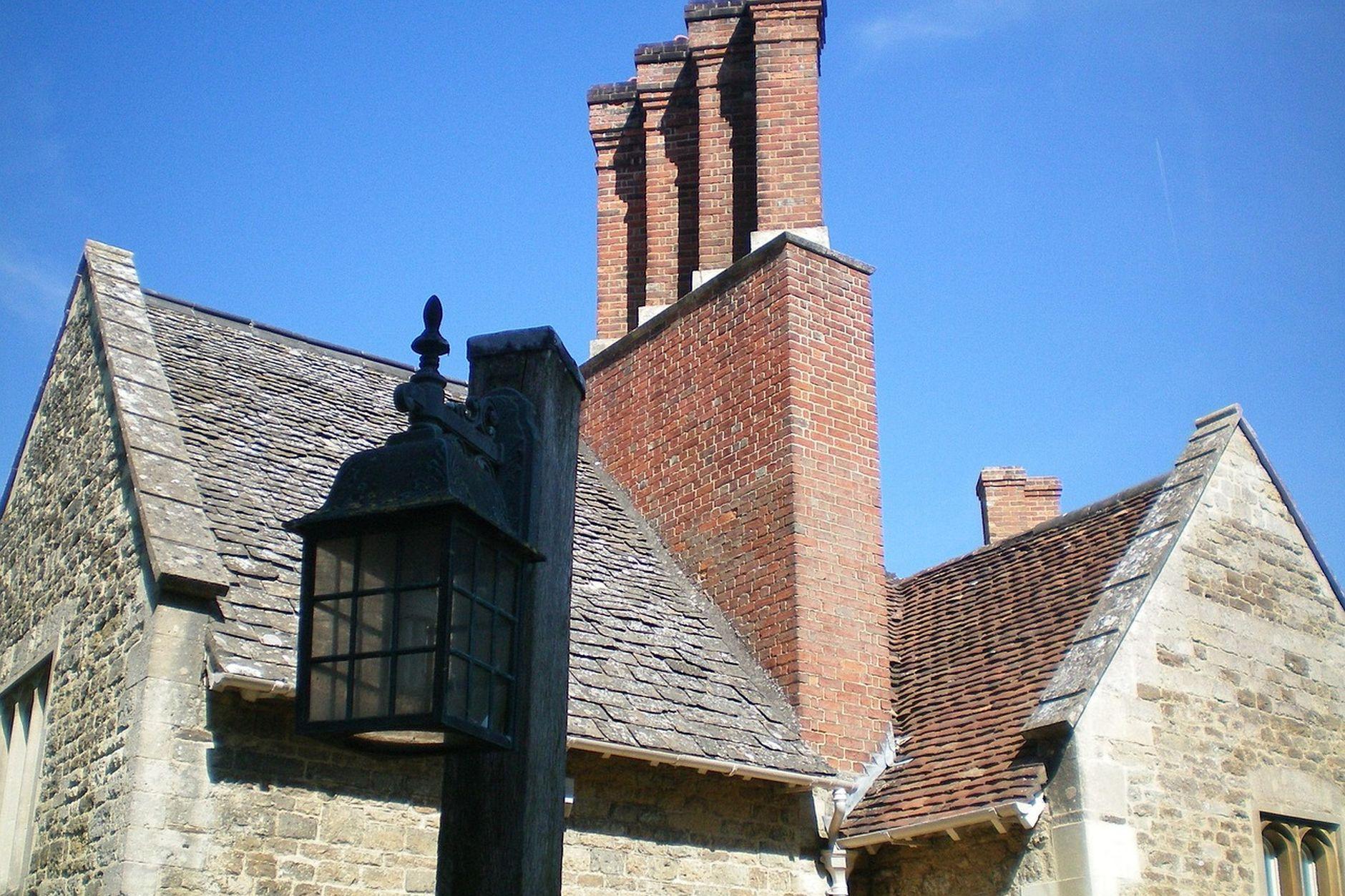
Below the roof the chimney is boxed in by the house. Walls, floors and the roof deck surround it. Above the roof it stands alone. When a quake shakes the house, the roof deck moves one way and the free part of the stack, which is heavy and has nothing beside it, tends to stay put or swing the other way. The mortar joint at the roofline takes all of it. That joint is where most stacks crack, and the brick above it is what falls.
The three options all address that free top section in different ways.
Option one: bracing
A brace is a steel member fixed high on the stack and anchored into the roof framing. It gives the top of the chimney something to push against when it starts to move, so it does not rock on its own. Bracing suits a chimney whose brick and mortar are still sound, with a moderate height above the roof.
What it does not do is fix loose brick. A brace bolted to a stack with weak joints holds the top in place while the brick under it comes apart. So we check the masonry first, and if the joints are failing, bracing comes after masonry repair, not instead of it.
Option two: ties and straps
Straps work lower down. Steel bands or angles are fixed around the chimney where it runs alongside the house and anchored into floor and roof framing, so the column and the house move together instead of separately. This mostly protects the part of the chimney inside the walls and keeps a gap from opening between the stack and the house. It is often paired with a brace above the roof.
Straps need sound brick to grip and solid framing to anchor into. On some houses the framing beside the chimney is hard to reach without opening a wall or a ceiling, which adds to the job.
Option three: rebuild the top
Where the brick above the roof is loose, twisted or badly cracked, holding it in place is the wrong goal. The better answer is to take it down to firm brick and rebuild. Rebuilding gives the chance to add reinforcing steel inside the new section and ties to the framing, and to finish with a new crown and cap. Some owners choose to rebuild the top in a lighter form, or with less height above the roof where the rules allow.
Our post on what a rebuild costs goes into how far down a rebuild runs.
How they compare
- Bracing: least disruption, suited to sound brick, little change to how the chimney looks
- Straps and ties: keep the stack bound to the house, may involve opening a wall or ceiling
- Rebuild: replaces damaged brick and adds steel in the new work, the largest job of the three
None of them makes a chimney quake proof. Each one lowers the chance that brick falls through a roof or onto a walkway, which is the injury risk that matters most.
What decides which one you need
We decide with you after an inspection, and the inspection is the step that decides most. A Level 2 at $405 shows whether the flue inside has already been cracked by past shaking, which can change the plan. A Level 1 at $56 is enough when the question is only about the outside of the stack and the top is easy to reach.
Use the form at the top of this page to tell us how tall the chimney stands above the roof, whether it has moved before, and whether you have plans for the fireplace. We call back to arrange the visit and may ask for a picture then.
After the visit you get a written scope with the option we recommend, and the other options with our reasons for not choosing them. Bracing, straps and rebuilds are priced in that scope. A cap for the finished top is quoted after we measure on this site. The cap's size and metal drive the price.
The base of the chimney counts too
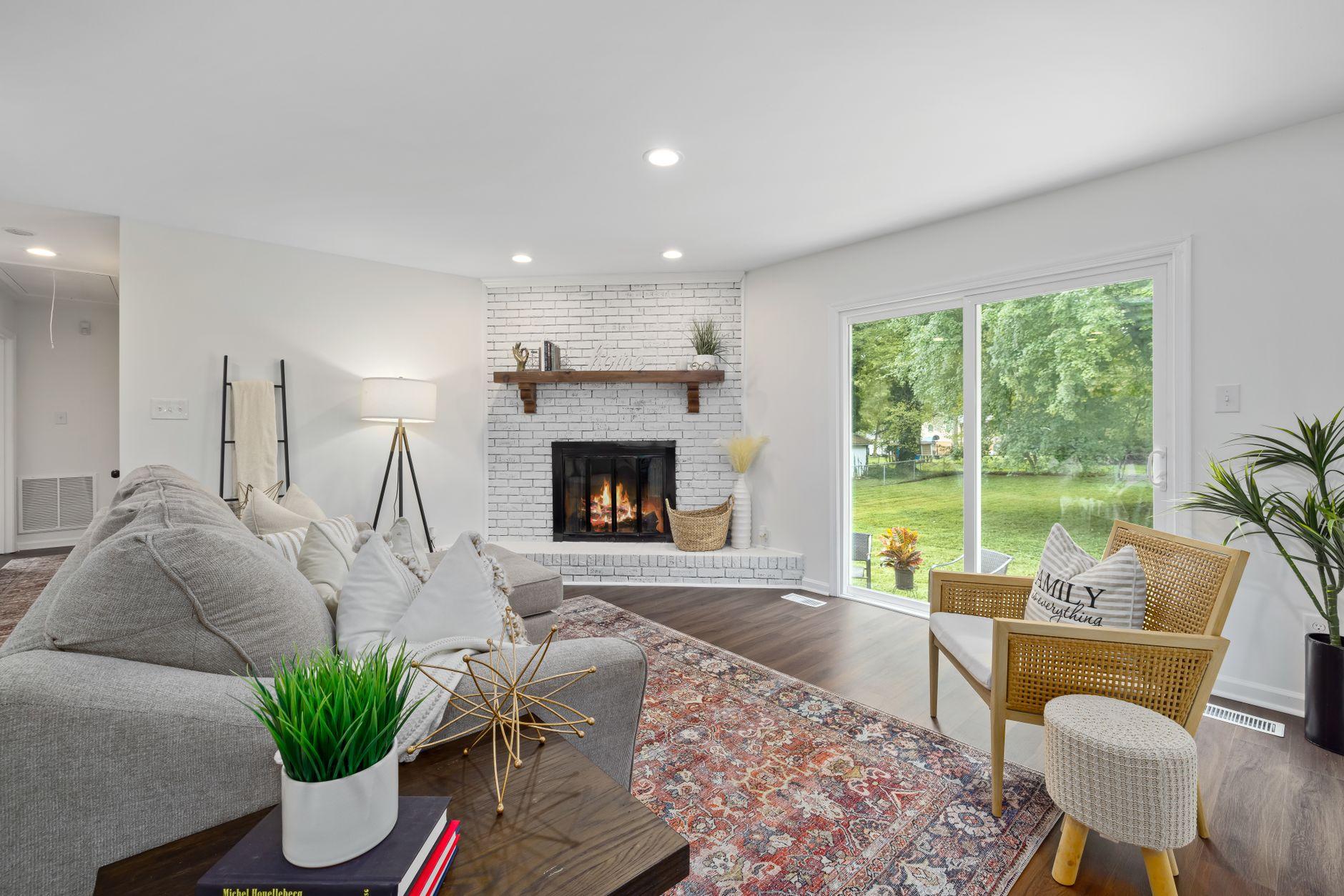
A chimney that fails usually drops brick from the top, but the firebox and hearth inside take strain as well. After a shake we look for cracks where the fireplace face meets the wall, a hearth that has settled away from the floor, and a gap opening at the mantel. Those go into the inspection, because a strap plan that ignores the bottom of the chimney is only half a plan.
What we will not say
We do not quote code sections or promise that one option meets a particular rule, because what applies depends on the house and on what the local building office asks for at the time. We also do not promise rebates. What we will tell you is what we saw, what each option would do to that chimney, and what it costs.
Getting started
Our seismic retrofit page describes the work in more detail, and the rebuild page covers the larger jobs. For a chimney in Camarillo or the towns around it, go to the contact page and tell us about the stack. Dillard Chimney Pros will arrange the inspection and write up the options after.
Seen Something on Your Chimney?
Dillard Chimney Pros reads brick, mortar and flue tile for movement and writes up what it means before any repair is priced. Crews work from Camarillo across Oxnard, Westlake Village, Fillmore and the rest of Ventura County.