Two kinds of crack, two kinds of contractor
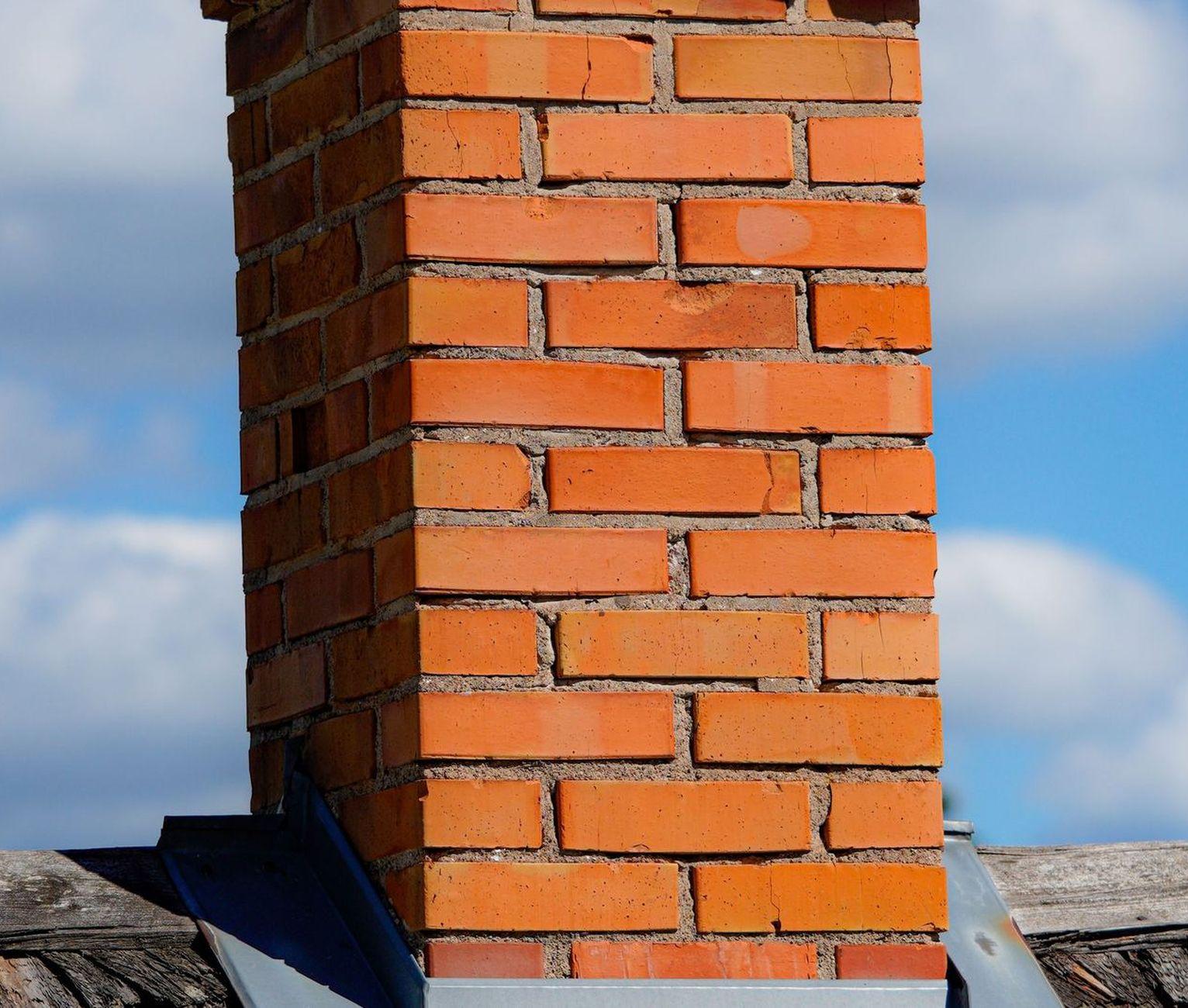
A crack in a brick chimney can mean very little or a great deal, and the person you hire should be able to tell you which before they price anything. Surface cracks in old mortar come from sun, rain and age. Cracks from movement come from the stack shifting, and they run in lines: level through a joint, diagonal in steps across several courses, or open at the corner where the chimney meets the wall.
A painter or handyman can fill the first kind. Filling the second kind hides the evidence and leaves the cause in place. In Camarillo, where most brick chimneys have felt more than one quake, it is worth hiring for the second kind even if you hope you have the first.
What a mason should do before quoting
A quote written from the ground is a guess. Before Dillard Chimney Pros prices masonry repair, we want to have seen:
- the top of the stack up close, including the crown and the brick just under it
- how far the crack lines run and whether they line up with the roof or a floor level
- whether any brick moves when pressed
- the flue from the inside, if the cracking suggests the stack has shifted
- the mortar itself, so a new mix can be matched to how hard or soft the old one is
That last point decides how the repair ages. Old brick and old mortar wear together. A new joint that is much stiffer than the brick on either side pushes the strain into the brick, and the faces start to flake off. Matching the strength of the mortar to the wall is most of the skill in this trade.
Signs a contractor is cutting corners
- the plan is a coat of sealer or paint over cracked joints
- the quote has one line and one total, with no note of how many joints or bricks
- no one has been on the roof
- the mortar is described only as "matched" with no word on why
- a leaning or loose stack is to be repointed in place rather than taken down and relaid
- the price is given before anyone has asked when the house was built
None of these makes someone dishonest. They do make the repair likely to fail at the first good shake or the first wet winter.
What our written scope lists
A fair masonry scope reads like a list of parts, not a total:
- how many joints are to be cut out and refilled, and where
- how many bricks are to be replaced, and with what
- whether the crown is to be patched or recast
- whether any part of the stack is to be taken down and relaid
- what the finished work looks like, including colour match
When the scope runs past repair into rebuilding, the line between the two should be stated, and the reason. Our post on rebuild pricing covers that case.
What decides the price
Masonry repair has no set price on this site, because one chimney might need a dozen joints and the next a new top third. The things that move it are the length of crack to be opened up, the number of bricks that have to come out, the height of the work, how hard the roof is to stand on, and whether the crown comes along with it. If the inspection shows the flue tile was damaged by the same movement, that is a separate line.
The way to a real figure is a look at the stack. Use the form at the top of this page to tell us where the cracks are, roughly how long they are, and whether the chimney has been worked on before. We call back to set the visit and may ask for a picture then if one would help us bring the right materials.
Related prices you will see
Some items around a masonry job do carry set figures:
- Level 1, eyes only: $56
- Full camera record of the flue with written findings: $405
- Rain stopped at its source, traced and repaired: $575 to $3,450
- A new cap on top once the brick is sound: quoted after we measure
How we work on the roof
We protect the roof below the stack, keep debris off the yard, and cut out old joints with tools sized to the joint so the brick edges are left whole. New mortar goes in in layers rather than one fill. Bricks that come out are replaced with ones close in size, colour and hardness. Where a crown is part of the job, it is formed to throw water clear of the brick. Before we leave, you get photos of the finished work next to the photos we took at the start.
New mortar has to cure slowly. When the Santa Ana winds blow hot and dry through Camarillo, we mist fresh joints so they do not dry out too fast and crack before they harden.
Hiring us, or anyone
We would like the job. If you hire someone else, use the list above anyway: it describes a repair that will last. Our masonry service page and our post on bracing versus rebuilding give more detail on what we do with a stack that has moved.
For a chimney in Camarillo or the nearby towns, the contact page is where to start. Tell us what the cracks look like and Dillard Chimney Pros will arrange a visit.
Seen Something on Your Chimney?
Dillard Chimney Pros reads brick, mortar and flue tile for movement and writes up what it means before any repair is priced. Crews work from Camarillo across Oxnard, Westlake Village, Fillmore and the rest of Ventura County.