Small slab, large consequences
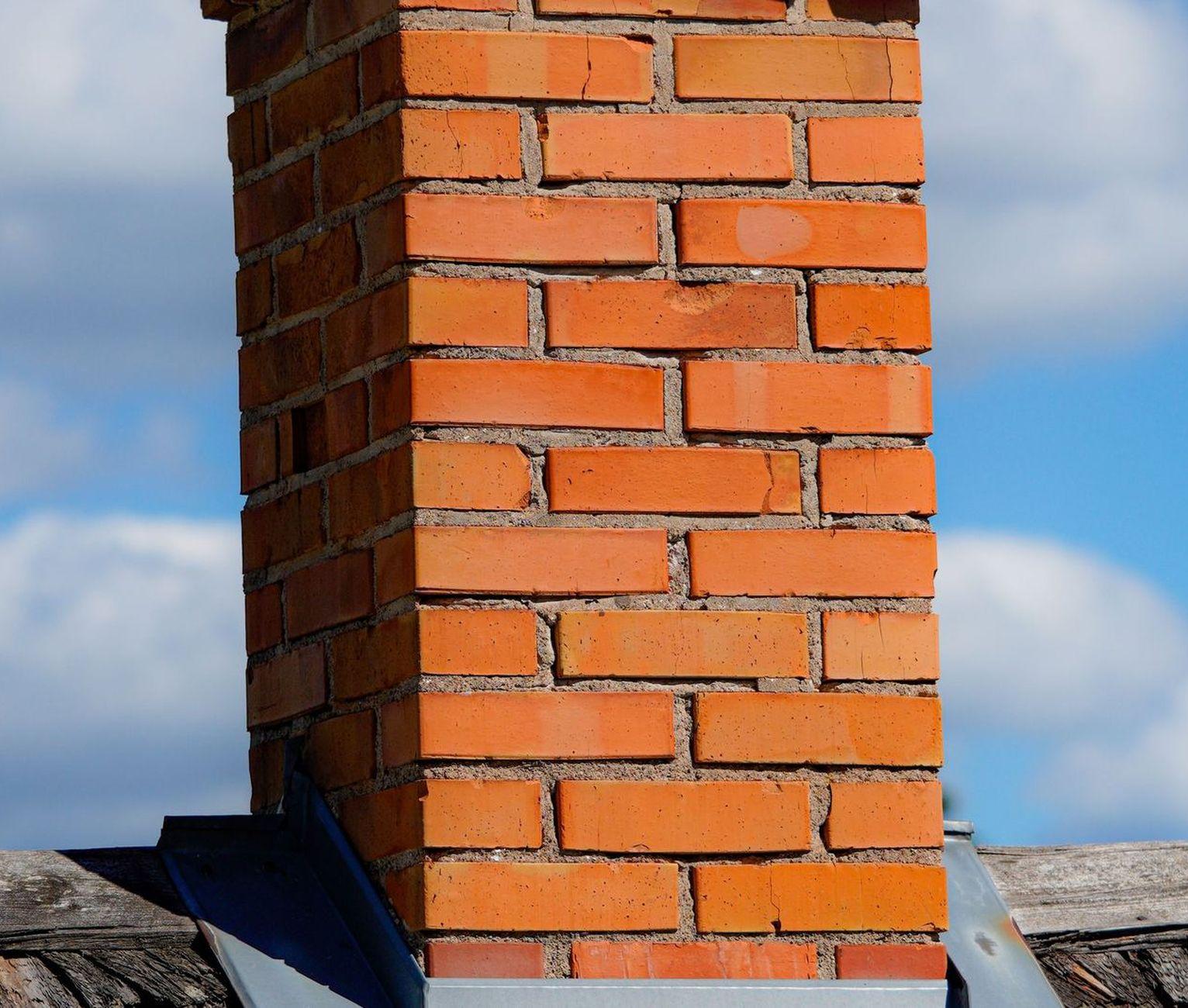
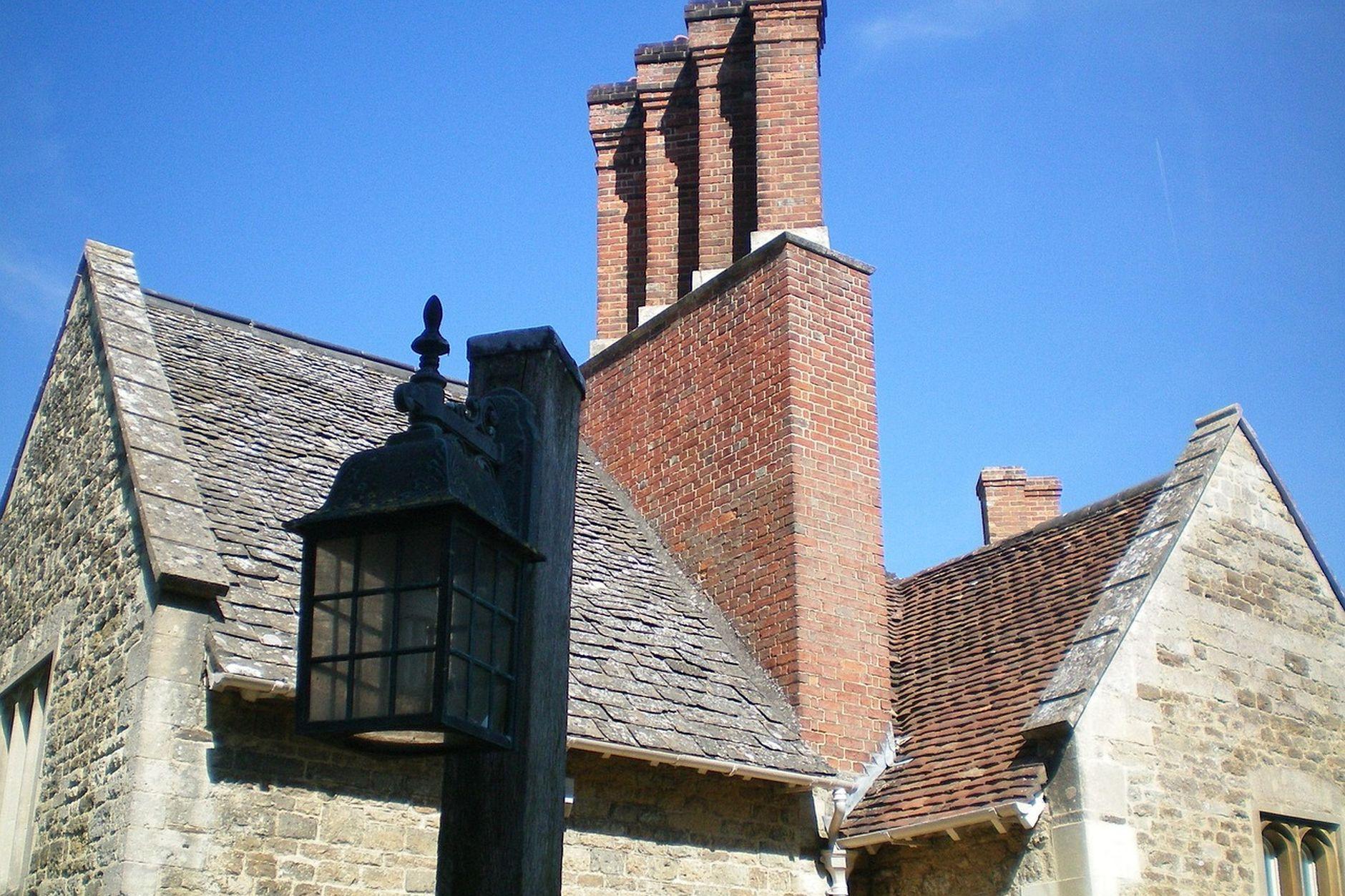
The cement slab on top of a brick chimney is the first part to feel both a quake and a storm. It is thin, it is rigid, and it is wrapped around the clay tile that rises out of its centre. When the stack rocks, the tile and the slab move against each other and the slab cracks. When it rains, water finds the crack and runs into the brick below.
In Camarillo we see both. The quake cracks come in straight lines, often from the corner of the flue tile out to an edge. The weather cracks are finer and spread in a web. Marine air and winter rain do the rest, slowly.
What a cracked top lets in
Water that gets past the slab soaks into the top courses of brick. In older chimneys it washes out mortar from the inside. Where the stack has a gap between brick and tile, water runs down that gap, and owners see it as a stain on the ceiling or the wall beside the fireplace. Those leaks are often blamed on the roof and on flashing, and the flashing is replaced, and the stain returns.
Patch or recast: what decides it
There are two honest answers to a cracked crown, and we choose between them on what we find, not on what pays more.
- A seal suits a slab that is still in one piece, still bonded to the brick, and cracked only at the surface. The cracks are opened, filled, and the top is coated with a flexible material made for crowns.
- A recast suits a slab that is broken through, loose, crumbling at the edges, or that was never built to shed water in the first place. The old slab is removed, and a new one is formed with a slope, a lip that reaches past the brick, and a small space left beside the tile so it can shift without breaking the new slab.
That small space beside the tile matters most for the quake story. A crown poured tight against the tile will crack again at the next shake. One that leaves the tile free to move has a much better chance.
What the visit looks at
We look at more than the slab itself:
- whether the tile is cracked or loose where it leaves the crown
- the top courses of brick under the slab, for soft mortar and loose brick
- whether a cap is fitted, and whether it is the right size for the flue
- flashing at the roofline, since water from a cracked top is often blamed on it
- inside the flue, if the crack pattern suggests the stack has moved
If the brick under the crown is loose, a new crown alone is the wrong fix, and we will say so. That case needs masonry repair or a partial rebuild first.
What we often find up there
- a slab laid flat, so water sits on it after every storm
- edges that stop flush with the brick, so runoff soaks the top courses
- a crack running out from a tile corner, the shape a shake leaves
- old patching compound over earlier cracks, now lifting at the edges
- the tile itself split at the top, which a new slab will not fix on its own
Any one of these can be handled. Two or three together usually point toward recasting rather than sealing, and a split tile raises a liner question that the camera answers.
Working around the wet months
New crown material needs dry weather to set properly. In Camarillo that usually means planning the work outside the run of winter storms. If water is already reaching a ceiling, tell us; a temporary cover over the flue can keep the worst of it out until the slab can be poured.
Prices around a crown job
Crown repair has no set figure here, because the size of the slab, the number of flues through it and the access on the roof vary so much. A few related items do:
- Mesh-topped cover for the flue, fitted: quoted on site
- Finding where the water gets in and stopping it: $575 to $3,450
- Visual check of the top and the fireplace: $56
- Camera run with a written report: $405
The cap is worth a mention. Rain does not need a cracked slab to get in; an open flue takes it directly. Many of the crown jobs we do in Camarillo end with a cap on top.
Getting a written figure
Use the form at the top of this page to tell us where you see water inside, whether you can see cracking at the top from the yard, and whether there has been a quake or a storm since it started. We call back to arrange a visit and may ask for a picture at that point. After the visit you get a written scope that says whether the crown is to be sealed or recast, and why.
Why we tie it to the rest of the chimney
The crown is the chimney's lid. If it is failing, the brick under it has been taking water for some time, and that brick is also what holds the stack together in a quake. Fixing the top well protects the rest. Our post on hiring a mason covers the brick side, and waterproofing explains the coating we put on sound brick after repairs.
For a chimney top in Camarillo or the towns nearby, start at the contact page. Dillard Chimney Pros will look at the crown and the brick under it before suggesting anything.
Seen Something on Your Chimney?
Dillard Chimney Pros reads brick, mortar and flue tile for movement and writes up what it means before any repair is priced. Crews work from Camarillo across Oxnard, Westlake Village, Fillmore and the rest of Ventura County.