What the camera showed you
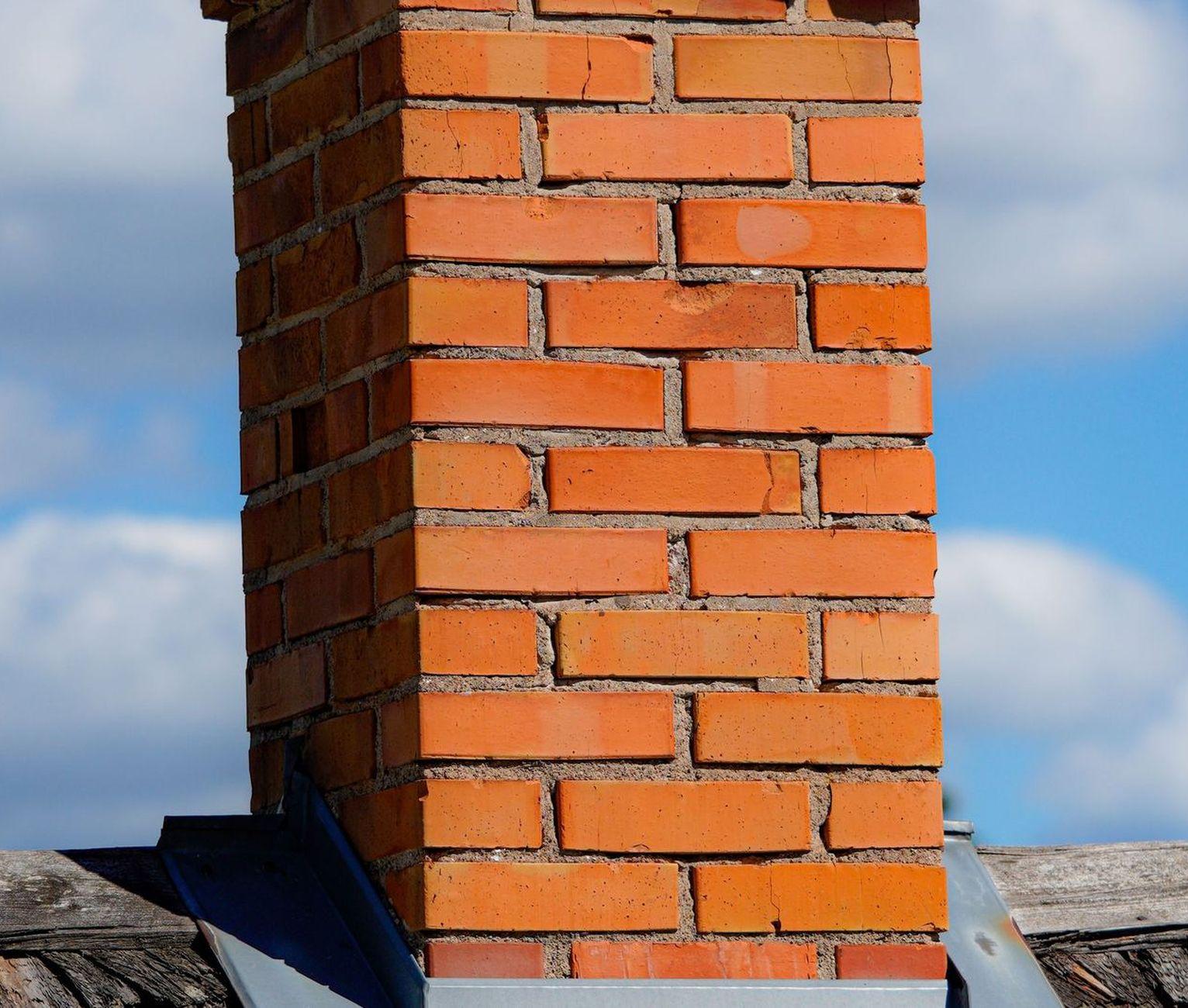
Most owners hear about their flue tile for the first time from a camera report. The pictures show a joint gapped open, a tile split down one side, or a section that has slid off the one below. On older brick chimneys in Camarillo that kind of damage usually comes from a quake, not from age. The tile is brittle and the stack around it moved.
The fireplace may still draw well. The smoke still goes up. What has changed is that the tube no longer holds heat and gases in. Through a gap, heat reaches the brick and anything near it, and acidic condensate gets into the mortar. A liner puts a sound tube back inside the old one.
When a liner is the right repair
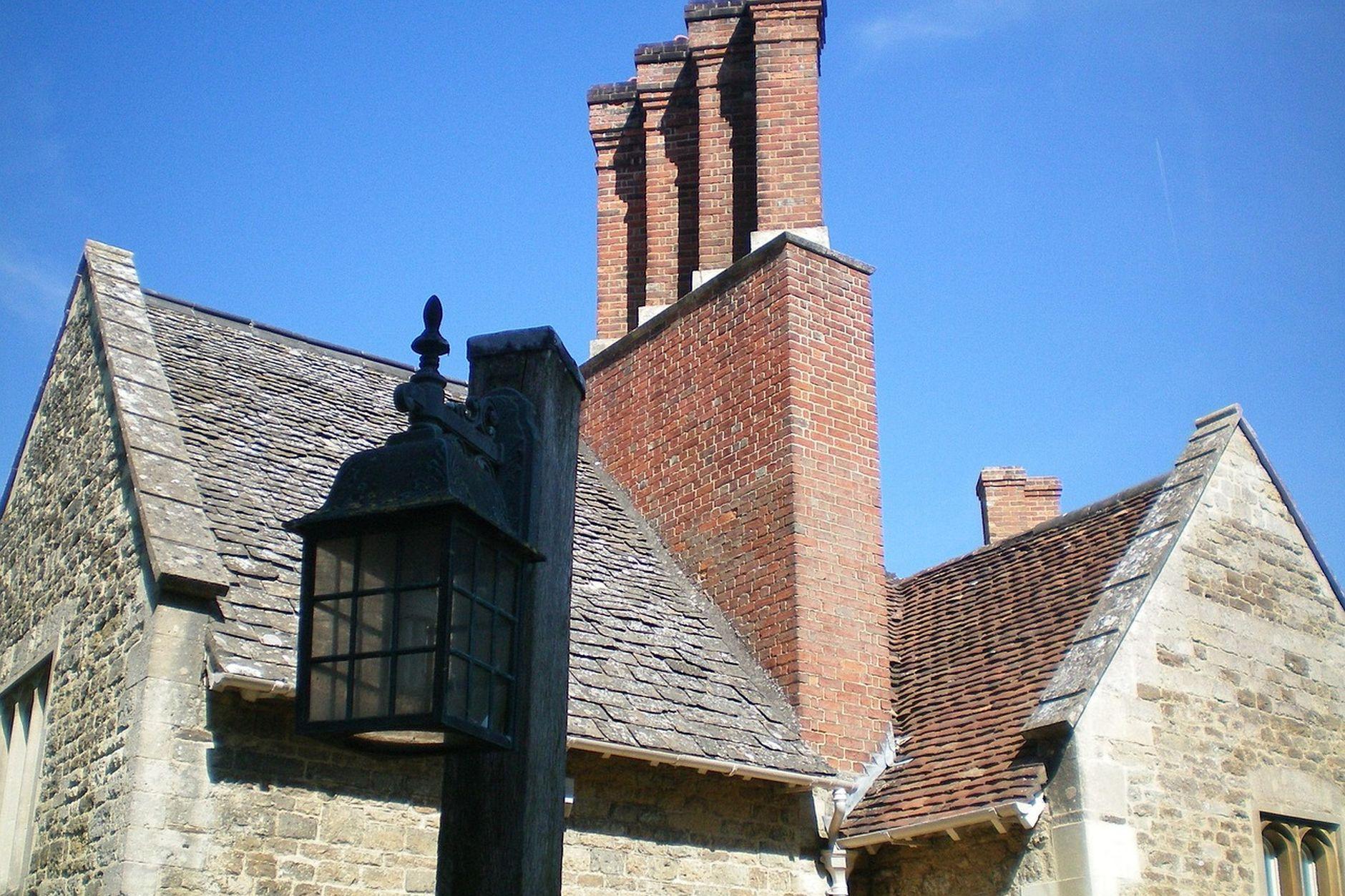
A liner fits when the brick around the flue is still sound and the damage is to the tile. That covers most of the quake-cracked flues we see. It is not the right answer when the stack above the roof is loose or leaning, when the smoke chamber is broken, or when the chimney is coming away from the house. Those cases call for masonry work or a rebuild first, and a liner may follow as part of it.
We would rather tell you a liner is not enough than fit one inside a chimney that is about to need taking down.
The kinds of liner we fit
- Stainless steel, round or oval, sized to what the fireplace or appliance needs. This is the most common choice for gas inserts, stoves and many open fireplaces. It bends a little when the stack moves, which suits a quake county.
- Cast-in-place, a lining formed inside the old flue that also binds loose tile and fills gaps. It suits some wide or irregular masonry flues.
- New clay tile, usually only as part of a rebuild, since the old tile has to come out first.
The choice depends on what burns in the fireplace now, what you plan to burn later, and the shape and size of the existing flue.
What sets the scope
Liner installation has no set price on this site. The written scope turns on:
- the length of the run from the firebox to the top
- the cross section the fireplace or appliance needs
- whether the flue has bends or offsets
- whether the damper or the smoke chamber has to be altered for the liner to pass
- whether insulation is needed to meet clearance from wood framing
- the cap and top plate that close the liner at the crown
If a gas insert is part of the plan, the liner is sized to it, and the whole job is scoped together. On this site a gas insert set into a working masonry firebox is listed at $2,850 to $5,750.
How it compares to rebuilding
Lining keeps the brick you have and replaces the tube inside it. Rebuilding replaces the brick. If the brick is sound, lining is the smaller and less disruptive job, and it addresses what the camera found. If the brick is not sound, lining does nothing for the risk of brick falling in the next quake, and our post on bracing, strapping or rebuilding is the better read.
Gas, wood, and what you burn later
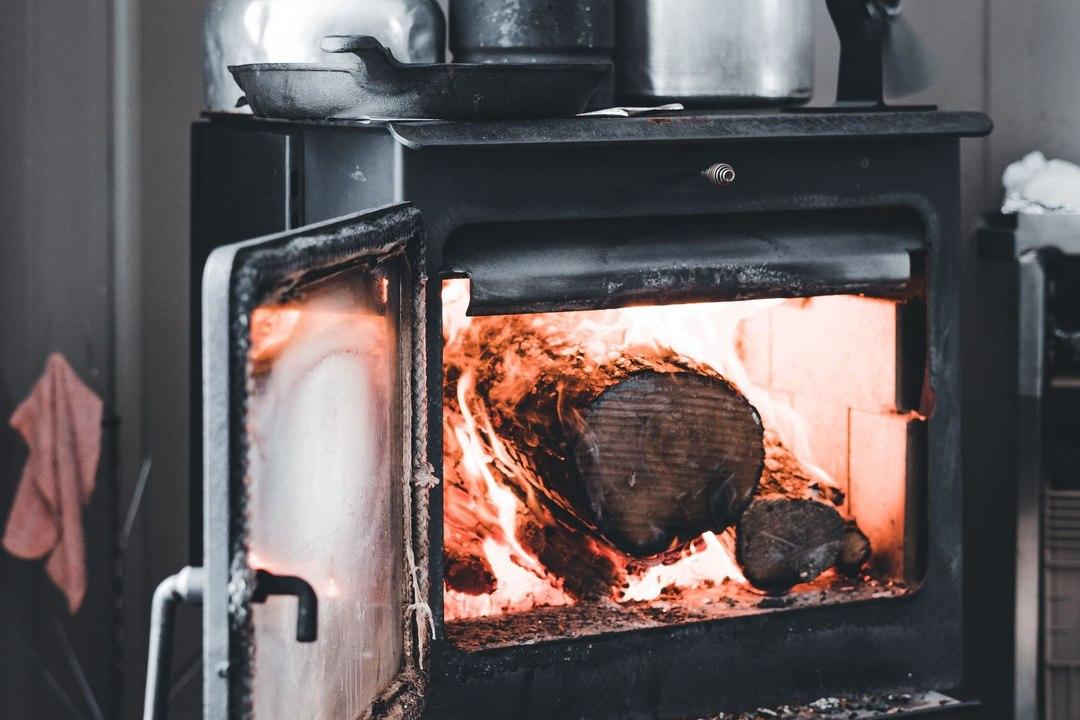
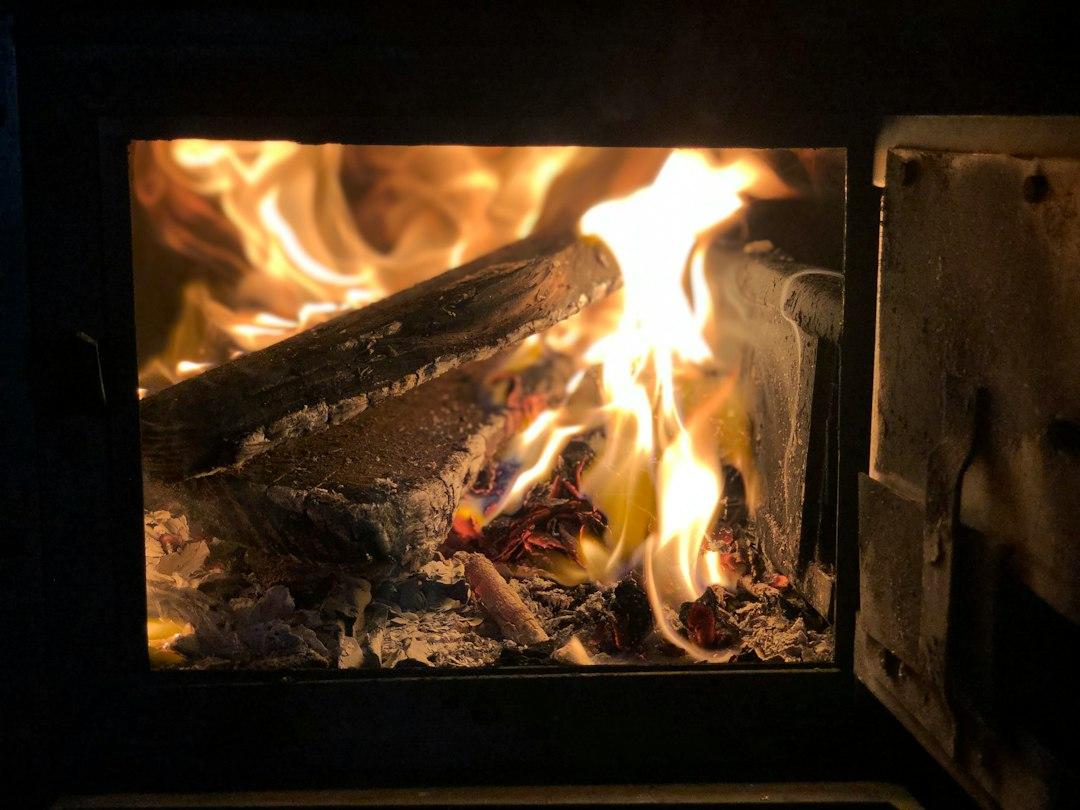
A liner is sized for what burns below it. An open wood fire needs a much larger cross section than a gas insert, and a liner chosen for gas will not serve wood. If you are thinking of converting later, tell us before we size it. Sometimes one liner can serve both plans and sometimes it cannot, and that changes the scope.
What happens on the day
Drop cloths go down from the hearth to whichever door we use. Most of the work happens from the roof. If the damper or the throat has to be altered to let the liner through, that is done from below first. Once the liner is in and connected, it is closed off at the top and the fireplace or insert is run while we check the draft and watch the room for smoke. You get photos of each stage.
Getting a figure
If you already have a camera report, from us or someone else, use the form at the top of this page to say what it found and what the fireplace is used for. We call back to arrange a visit and to see the report. If you have no report, we start with a Level 2 at $405, which films the full flue and sets out what the liner has to fix. A Level 1 at $56 is a reasonable first look when you only want to know whether the camera is needed.
After the visit, the scope names the liner type and size, where it starts and ends, what has to change to fit it, and the cap at the top.
After the liner is in
We film the new liner from top to bottom once it is fitted, so you have a record that the flue is whole again. That record is useful if you sell, or if your insurer asks about the chimney. A cap on top keeps water and animals out of the new liner; on this site a fitted cap is quoted after we measure.
If a camera report has left you with a cracked flue in Camarillo or a neighbouring town, go to our contact page and tell us what it showed. Dillard Chimney Pros will set up the visit and write the scope.
Seen Something on Your Chimney?
Dillard Chimney Pros reads brick, mortar and flue tile for movement and writes up what it means before any repair is priced. Crews work from Camarillo across Oxnard, Westlake Village, Fillmore and the rest of Ventura County.